1. Narrative Writing (Tells a Story)
Purpose: To entertain, engage, and emotionally connect with the reader by telling a story with a clear point or theme.- 1. Orientation (Introduction):
- Hook: Start with action, dialogue, or a description to grab the reader’s attention immediately.
- Setting: Establish the time and place of the story.
- Characters: Introduce the main character(s). Help the reader understand who they are and what they care about.
- 2. Complication (Rising Action):
- Initiating Event: The event that sparks the main problem or conflict.
- Building Tension: A series of events or obstacles that build suspense and make the problem worse for the main character. This is the longest part of the story.
- 3. Climax:
- The Turning Point: The moment of highest tension or drama. This is the “point of no return” where the main character directly faces the central conflict. It is the most exciting part of the story.
- 4. Resolution (Falling Action & Conclusion):
- Falling Action: The events that happen after the climax, winding the story down.
- Resolution: The central conflict is resolved, and the story concludes. The reader learns what happens to the characters.
- Theme or Reflection: The story should have a point. What was learned? How has the character changed? This gives the narrative its meaning.

- Show, Don’t Tell: Instead of “She was scared,” write, “Her hands trembled, and a cold sweat prickled on the back of her neck.”
- Sensory Language: Appeal to the five senses (sight, sound, smell, touch, taste) to create a vivid world.
- Dialogue: Use realistic dialogue to reveal character and advance the plot.
- Paragraphing: Start a new paragraph for each new speaker, each new event, or when shifting focus.
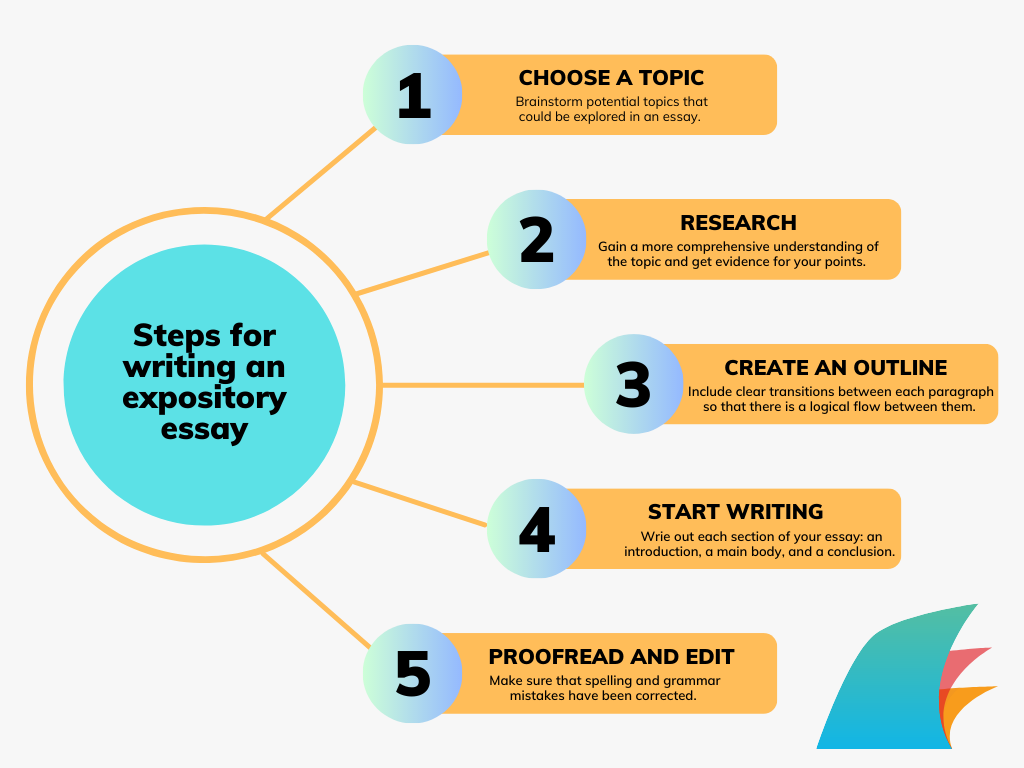
2. Explanatory Writing (Explains a Process or Concept)
Purpose: To clarify, or make understandable a “how” or “why.” The focus is on logic, sequence, and clarity.
Required Components & Structure:
- 1. Introduction:
- Hook: Grab the reader’s interest.
- Context: Briefly introduce the topic.
- Thesis Statement: Clearly state what you will explain (e.g., “This essay will explain the process of…”, or “There are several key reasons why…”).
- 2. Body Paragraphs (One for each major step or reason):
- Topic Sentence: Introduce the specific step or aspect you will explain in this paragraph.
- Explanation: Provide a detailed, logical breakdown. Use facts, definitions, and descriptions.
- Sequential Language: Use transition words like First, Next, Subsequently, Furthermore, Finally, As a result to guide the reader through the process or logic.
- Example/Illustration: Where helpful, include a brief example to make the explanation concrete.
- 3. Conclusion:
- Restate Thesis: Rephrase the main purpose of your explanation.
- Summarize Key Points: Briefly recap the main steps or reasons from your body paragraphs.
- Final Insight: State why this process or concept is important or what the reader can now understand.
What the Examiner is Looking For: A logical, step-by-step structure, clear and precise language, and a neutral, objective tone.
3. Argumentative Writing (Persuades the Reader)
Purpose: To take a position on a debatable issue and persuade the reader that your stance is valid using evidence and reasoning.
Required Components & Structure:
- 1. Introduction:
- Hook: A compelling statement, question, or fact about the issue.
- Context: Provide background information to frame the debate.
- Clear Thesis Statement: A definitive statement of your position on the issue (e.g., “Therefore, school uniforms should be mandatory because…”).
- 2. Body Paragraphs (One for each main argument/reason):
- Topic Sentence: State a single, clear reason that supports your thesis.
- Evidence: Support your reason with facts, statistics, logical reasoning, or real-world examples.
- Explanation: Explain how your evidence proves your point. Don’t just list facts; connect them to your argument.
- Linking Words: Use persuasive transitions like Furthermore, Moreover, More importantly, Consequently, For this reason.
- 3. Counterargument & Rebuttal Paragraph (Crucial for high marks):
- Acknowledge the Opposition: Present the strongest argument against your thesis fairly and respectfully. (e.g., “Opponents might argue that…”).
- Refute It: Explain why that opposing argument is weak, incorrect, or less important than your own arguments. Use evidence or logic to dismantle it. Words like However, While it is true that…, this overlooks…, Nevertheless are key here.
- 4. Conclusion:
- Restate Thesis: Reaffirm your position in a new way.
- Summarize Main Arguments: Briefly recap your strongest points.
- Powerful Closing Statement: Leave the reader with a final thought, a call to action, or a statement on the broader implications of your argument.
What the Examiner is Looking For: A clear, debatable thesis, well-supported arguments, a convincing counterargument/rebuttal, and persuasive, logical language.
4. Informative Writing (Presents Facts on a Topic)
Purpose: To objectively educate the reader about a specific topic by presenting facts, data, and information without personal opinion.
Required Components & Structure:
- 1. Introduction:
- Hook: An interesting fact, statistic, or question about the topic.
- Context: Define the topic and its significance.
- Thesis Statement: A clear statement that outlines the main categories of information you will present. (e.g., “This report will detail the habitat, diet, and social structure of the African elephant.”).
- 2. Body Paragraphs (Organized by subtopic):
- Topic Sentence: Introduce the specific subtopic for the paragraph (e.g., “The African elephant’s habitat is primarily…”).
- Facts & Details: Present relevant facts, descriptions, statistics, and examples. Stay objective and factual.
- Organizational Language: Use transitions that show structure, such as For instance, In addition, Similarly, Another key aspect is….
- Text Features (if appropriate): You can use headings, bullet points, or bold text to organize information clearly, but only if the format allows.
- 3. Conclusion:
- Restate Thesis: Summarize the overall topic you have informed the reader about.
- Synthesize Key Facts: Briefly recap the most important information from your body paragraphs without introducing new information.
- Final Insight: Offer a concluding remark on the topic’s importance or leave the reader with a broader understanding.
What the Examiner is Looking For: A clear, objective, and well-organized presentation of facts. The tone should be formal and unbiased, like a textbook or encyclopedia entry.
To find out more about Ampla Education’s school application services, contact us at info@ampla-edu.com
________________________________________________________________________
© Ampla Education – Unauthorised use of this material without permission is strictly prohibited. Excerpts and links may be used, provided that full credit is given to Ampla Education.