Ampla Education is mentioned in Bloomberg’s article ‘Hong Kong’s Elite Expat Schools Pivot to Chinese Arrivals’.
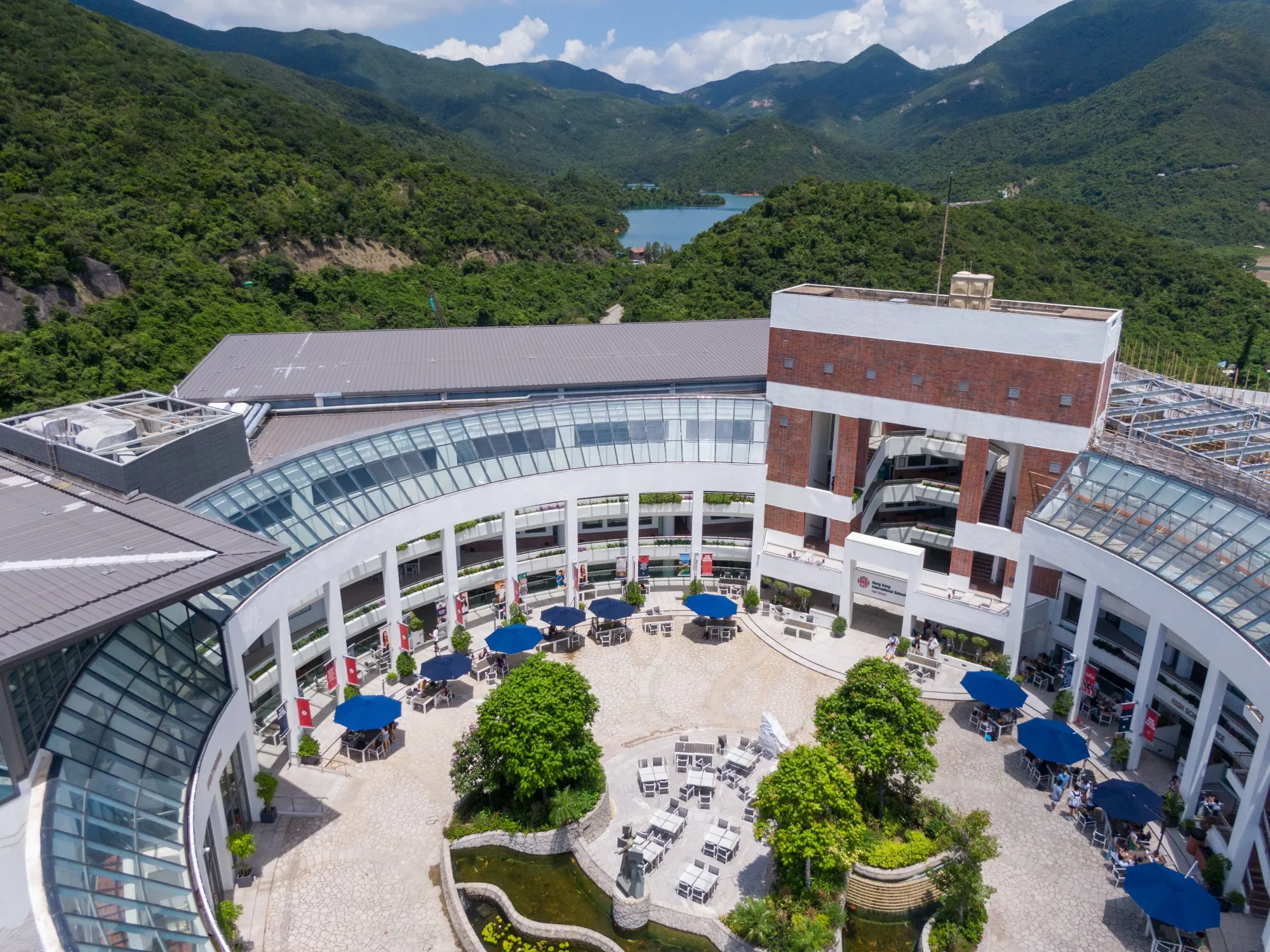
Hong Kong International School Source: Hong Kong International School
Hong Kong’s Elite Expat Schools Pivot to Chinese Arrivals
Takeaways by Bloomberg AI
- Hong Kong International School is introducing Mandarin instruction across subjects for the first time in its history, starting with a pilot program for 30 students aged four and above.
- The school’s student base is changing, with the proportion of American students shrinking to 40% as rich mainland Chinese immigrants become a major source of new wealth in the city.
- Other international schools in Hong Kong, such as Shrewsbury School and Canadian International School, are also introducing Mandarin programs, reflecting a broader demographic change in the city’s top fee-paying schools.
When Hong Kong International School was founded in 1966, it was designed to serve hundreds of American families flocking to the city’s booming export economy.
Dow Chemical Co. had built regional headquarters in the city. Pan Am had just won a Pentagon contract to fly in military personnel from the Vietnam War and wanted to base pilots and their families in the then British colony. Around 80% of the school’s more than 600 students and almost all teaching staff were from the US, with only 70 Chinese students among them. Within a few years, enrollment topped 1,000.
Now, as Hong Kong’s rich mainland Chinese immigrants become the major source of new wealth in the Cantonese-speaking city, the school’s student base in the wealthy enclave of Repulse Bay is changing fast. Today it has five times as many students, but the proportion of those from the US has shrunk to 40%.
For the first time in its history, the American-style school will start offering Mandarin instruction across subjects later this year. The pilot program will be offered to just over 30 students, from age four. Until now, Mandarin has been taught as a language class. It’s not alone. Shrewsbury School’s Hong Kong affiliate, which leans on the heritage of the British institution founded by Royal Charter in 1552, launched its bilingual program in January. Canadian International School began its own Mandarin offering in 2022.
More Mandarin
Some of Hong Kong’s costliest schools are offering Mandarin bilingual programs
Note: data as of March 2025, ranging from lowest to highest grades, excluding capital levy, application fee, entry fee and debentures.
Source: School website, Bloomberg reporting
Note: data as of March 2025, ranging from lowest to highest grades, excluding capital levy, application fee, entry fee and debentures.
Source: School website, Bloomberg reporting
“The biggest challenge is how to stay true to our identity,” said Kevin Chang, director of Chinese Studies and World Languages at HKIS, who adds that the pilot program intends to take things slowly. Being in Hong Kong and part of China, the program aims to bring more Chinese presence to the school, and add to cultural competence for all students, Chang said.
There’s several reasons why international schools are adopting Mandarin to a greater extent than they were decades ago. China has rapidly risen to become the world’s second largest economy and a burgeoning superpower. Mandarin is one of the most widely spoken languages in the world and it’s making a strong presence in Hong Kong, said Dr. Wil Chan, Lower School Principal of Canadian International School of Hong Kong.
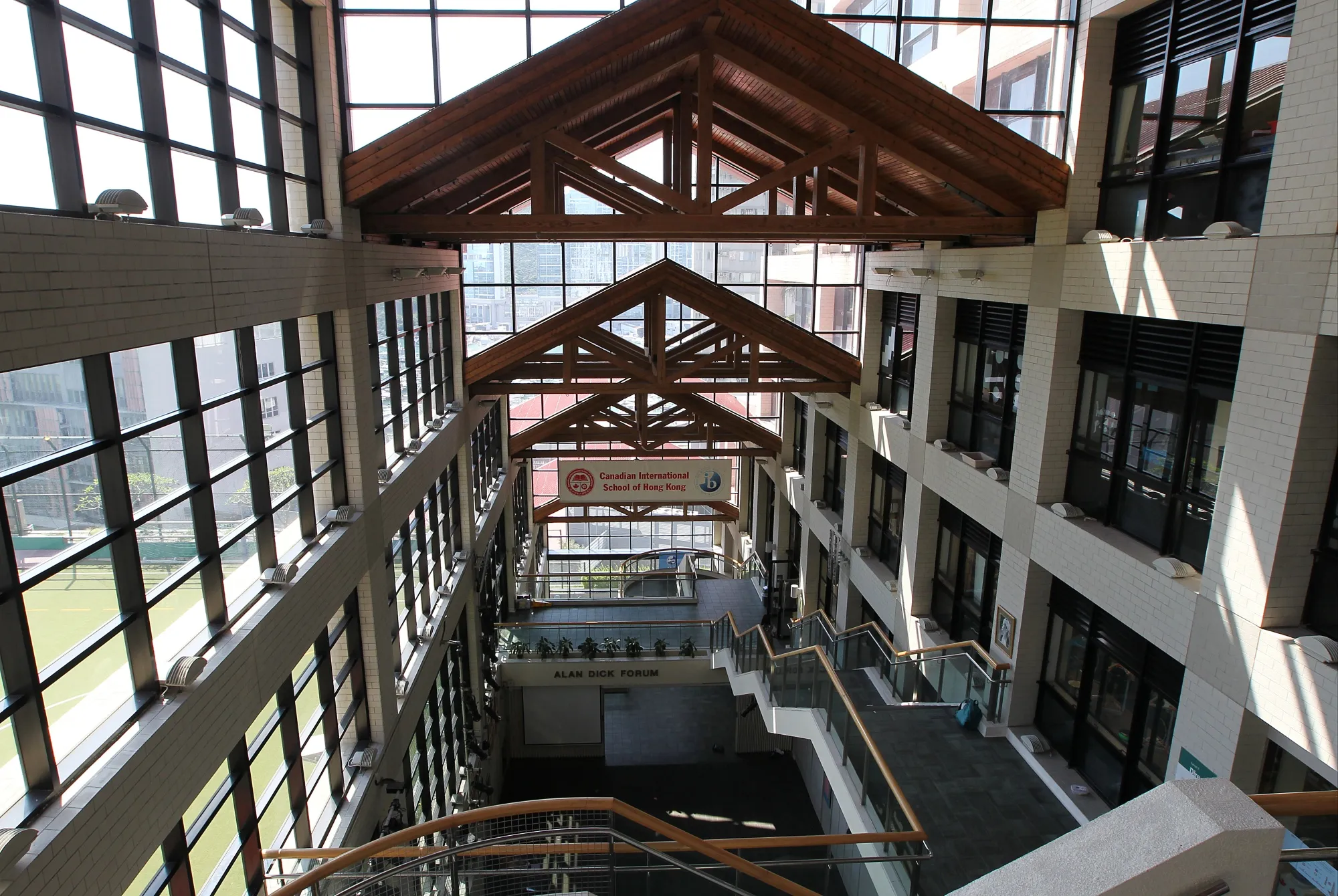
In Singapore, where Mandarin is an official language, immersion classes have already gained a solid footing. For Hong Kong’s international schools, where the local language is Cantonese, the shift reflects a broader demographic change now permeating the system of top fee-paying schools.
Many Western expats, traditionally the main clients for international schools, left in the wake of 2019 protests in Hong Kong and the following three years of Covid closure. The number of international schools in Hong Kong dropped 6% in the five years through 2024, which includes the closure of the British Council International Pre-School, according to data provided by ISC research.
“Hong Kong was an Asian port city open to everybody and everybody could bring their own language and their own faiths,” said Vaudine England, a historian and book author. “It is becoming a mainland city so of course the market for language changes.”
For those international families that stayed, the pivot to Mandarin speakers isn’t universally welcomed, illustrating how maintaining the trappings of a global financial hub for decades to come won’t be easy.
Giovanna Celeste, an entrepreneur who came to Hong Kong from Italy nearly 20 years ago with her husband, has a child attending one of the city’s European international schools. Most of the kids are from local or mainland families, and parents keep asking for more and more homework and for extra-curricular activities, which in her view is overwhelming the kids, she said.
For schools, it is economically wise to market to rich mainland Chinese immigrants. About 95% of the roughly 34,000 approved applicants of Hong Kong’s Top Talent Pass Scheme visa program were from mainland China in the first 10 months of last year. To qualify for the scheme, applicants have to hold a degree from a top university, or have recently earned annual income of at least HK$2.5 million ($322,000).
The pivot has been rewarding for Hong Kong schools so far. The Canadian school’s first Chinese immersion cohort saw an assessment pool of over 450 applicants for 120 available placements, according to Dr. Chan. HKIS’s dual immersion program was heavily oversubscribed-it saw 400 applicants for its 38 seats in two pilot classes and had to do lotteries to decide which students to admit to the program.
READ MORE: Hong Kong’s Expat Party Hub Reshaped by Influx of Chinese
Chinese International School, which was founded in 1983 and has always had a focus on Mandarin bilingual education, charges among the highest fees in Hong Kong and has around 1,600 students, including some from China’s richest families.
Schools said that adding Mandarin doesn’t mean they are giving up on their international elements. Students of the bilingual programs celebrate festivals and cultural events from all over the world, such as Diwali, Halloween, Mid-Autumn Festival, Christmas and Lunar New Year.
Rising International School Fees in Hong Kong
Annual tuition for primary programs
Source: Ampla Education
Some expat families are embracing the change, as they see Mandarin increasingly as an important skill for better job prospects and networking. Jyrki Rauhio, a Hong Kong-based banker originally from Finland, said he and his wife always wanted their four-year-old son Alvar to be immersed in Mandarin, a language of more than a billion people.
“The shift is happening,” said Alex Kwong, managing director of education consultancy HK-Schools.com. “Other schools will follow suit.”
— With assistance from Ainsley Thomson
(adds number of students in HKIS pilot program in fourth paragraph)
To find out more about Ampla Education’s school application services, contact us at info@ampla-edu.com
________________________________________________________________________
© Ampla Education – Unauthorised use of this material without permission is strictly prohibited. Excerpts and links may be used, provided that full credit is given to Ampla Education.